Thailand Convention & Exhibition Bureau (TCEB)

Sport & Wellness as MICE Experience Design

Explore how run clubs, recovery zones, wearable challenges and fitness racing can transform participant engagement into measurable value for wellbeing, networking, data, business performance and host destinations.

At a time when knowledge, news and content from global platforms are readily accessible through a screen, the reason to travel to a MICE event is no longer simply “What will I hear?” It is also “What will I get to do?”, “Who will I meet?” and “What will change after the event ends?”

Sport and wellness are therefore moving beyond the role of optional activities such as morning runs, yoga classes or massage services, and becoming a serious part of event experience design. As sport and wellness become part of everyday life, people no longer exercise solely to care for their bodies. They also use these activities to build relationships, develop themselves, express who they are and connect with others who share their interests.

MICE events have an opportunity to turn these behaviours into Active Experiences that create value throughout the event journey, before the event, throughout the event itself and into the relationships maintained after it ends. The essence of Sport and Wellness as MICE Experience Design is not to pack more exercise into the programme. It is to design an experience in which movement, wellness, networking, technology and business objectives work together with purpose.
Article image 1

From Passive Audience to Active Participant

Traditional conferences and exhibitions often require participants to spend most of their time sitting and listening, visiting booths and absorbing large volumes of information. These activities remain important, but when they continue for long periods they can lead to fatigue, reduced concentration and a sense of being little more than a passive recipient of information.

An Active Experience changes participants from observers into active participants in the event. Walking, running, completing team missions, doing breathing exercises, trying equipment or working towards a shared goal all allow people to engage more deeply with the content, brands, venue and fellow participants. Experiences built around active participation are often remembered more clearly than those based on observation alone. What remains in the memory is not only the information presented on stage, but also the emotions, achievements, conversations and people encountered along the way. This is where sport and wellness can add value to MICE events far beyond the role of a health activity.

Article image 2

Run Clubs: Networking Through Movement

Conventional MICE networking often takes place at receptions, during coffee breaks or in areas where business cards are exchanged. For some people, however, starting a conversation in a formal setting can feel pressured and make it harder to connect naturally.

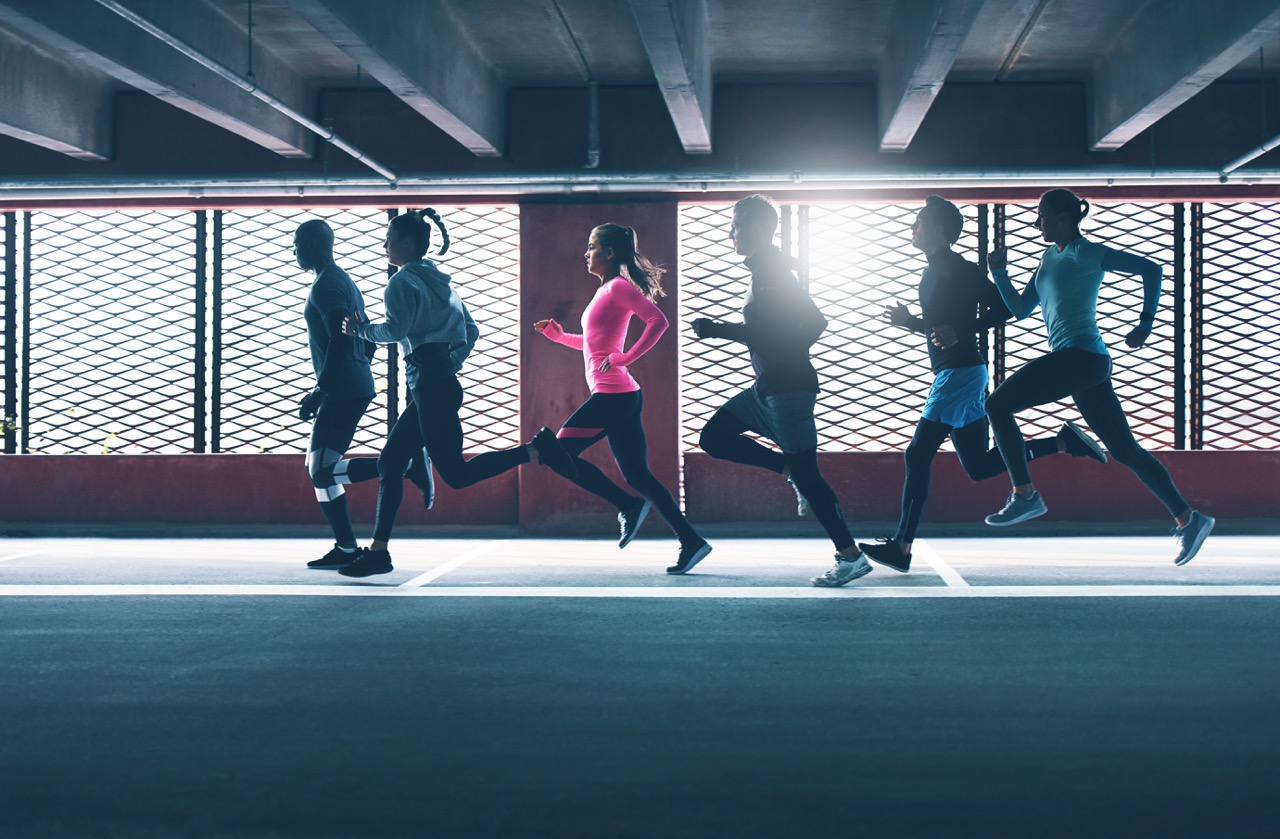
A Run Club, or a group walking and running activity, creates a different kind of social setting. When everyone is moving in the same direction, distinctions in job title, organisation or experience may briefly matter less. Conversation can begin more easily and feel more relaxed than a formal introduction in a meeting room. These activities do not need to be competitive. Organisers can offer routes at several levels, from gentle walks and easy runs to routes for those seeking a greater challenge. Groups can also be arranged by industry, shared interest or a topic participants would like to discuss.

If the activity concludes with breakfast, small group conversations or a visit to key locations in the city, a Run Club can support wellness while serving as both a networking activity and a way to showcase the destination. Brands and sponsors can become part of the experience naturally. Participants might try shoes, apparel, fitness trackers, healthy drinks or recovery services. In this format, sponsors are not confined to signage and logos. They play a direct role in improving the participant experience.

Article image 3

Recovery Zones: Sustaining Participant Energy Throughout the Day

Large conferences and exhibitions can occupy many hours each day. Participants may walk considerable distances, absorb large amounts of information and speak with people almost continuously. The resulting fatigue can affect concentration, the quality of decision making and readiness for the next session.

A Recovery Zone should therefore be more than a place with chairs. It can be developed into a space that restores both body and mind. It might include stretching stations, guided breathing, areas for resting the eyes, quiet spaces, water refill points, physical readiness assessments or wellness activities that reflect Thailand’s distinctive character. The aim is not to draw participants away from the core programme for long periods. It is to give them a restorative break before they return to conference rooms, exhibition halls or business discussions with renewed energy and focus. For organisers, a Recovery Zone also creates measurable data, including the number of users, time spent in the space, satisfaction ratings before and after the break, and readiness to take part in other activities later that day. When designed well, a rest area is no longer simply a gap between activities. It becomes part of caring for the participant experience throughout the event.

Wearable Challenges: Turning Participation into Data

Wearable technology and applications allow sport and wellness activities to continue throughout the event journey rather than ending after a single run or exercise class. Organisers might create challenges based on step counts, minutes of movement, visits to different areas, participation in activities or team missions. Progress can be shown through leaderboards, digital badges or a shared target for the entire event. Good design, however, should not focus only on the fittest participants or the highest scores. It should allow different groups to succeed in their own way. Rewards might go to the team that participates most consistently, supports its members most effectively, explores the greatest variety of areas or works together to make a positive contribution to the community.

A Wearable Challenge can also connect wellness activity with exploration of an exhibition in a seamless way. Participants might earn points by visiting key zones, trying products, attending talks or joining sponsor activities. This helps distribute visitors across the event and creates more opportunities for interaction between participants and exhibitors without making anyone feel forced along a prescribed route. The use of health or movement data must nevertheless be voluntary. Organisers should explain the purpose clearly, collect only the data required and allow each person to decide how much they wish to share. Technology should make participation more enjoyable and measurable without leaving participants feeling that they are being monitored at all times.

Fitness Racing: From Competition to Community and a Business Ecosystem

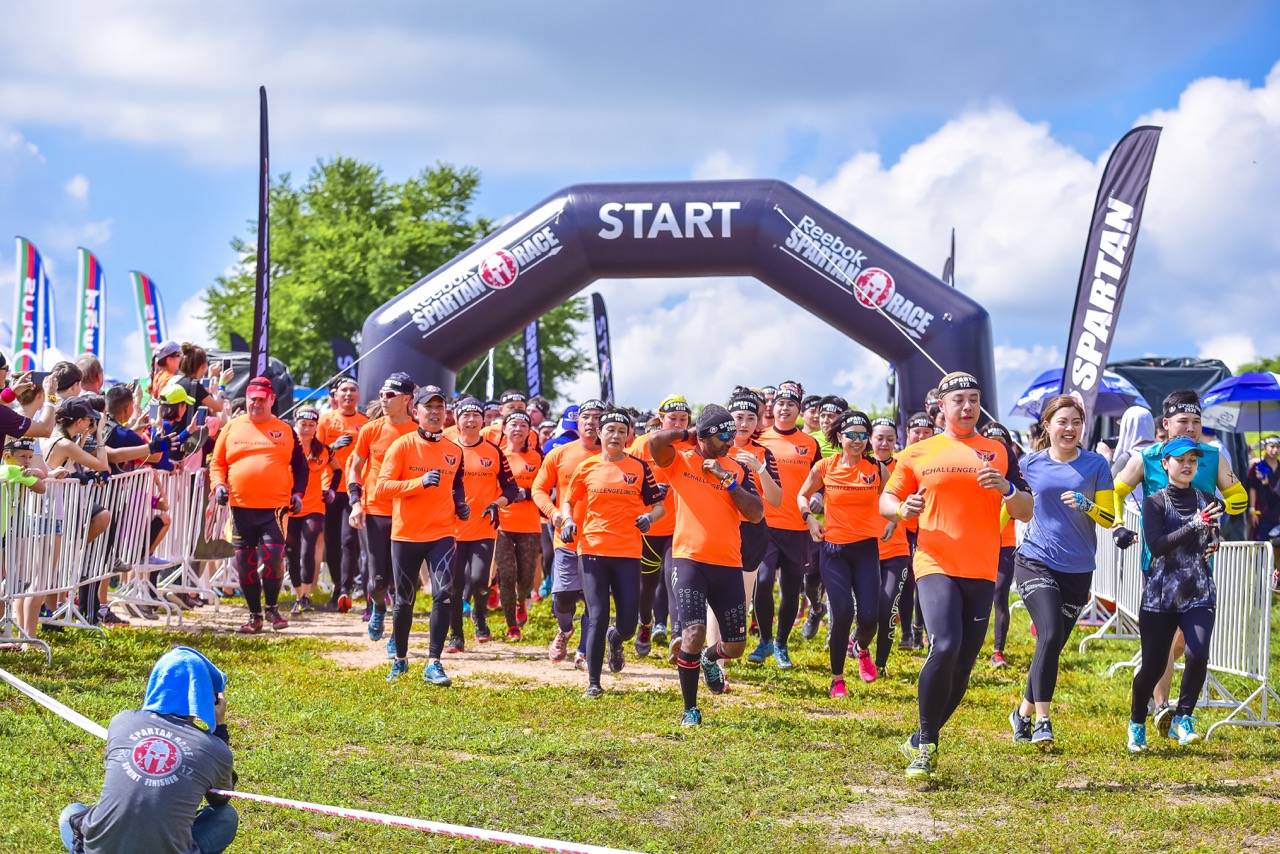
Fitness Racing combines running, exercise and standardised tasks. Participants can compete individually, in pairs or as teams, making the format accessible to people with different goals and levels of readiness. Its value does not arise only on race day. It begins during preparation, as participants train, form teams, set shared goals and share their progress online. A community therefore starts to take shape before the event officially opens and can continue after the competition has ended. The event includes not only athletes, but also spectators, coaches, sports brands, health service providers, equipment manufacturers, food and beverage businesses, hotels and travel providers. Every group can become part of the same experience and create further value around the core activity.

After the event, results, photographs, personal achievements and team relationships help sustain engagement. Competitors may return to train together, register for the next event or invite others in their networks to join the community. Fitness Racing clearly demonstrates how an activity can bring together experience, community building, travel and business opportunity.

Designing the Experience Before, During and After the Event

An effective sport and wellness experience should not begin only when participants arrive at the venue. It should become part of the journey from registration onwards. Before the event, organisers can learn about participants’ interests, activity levels, wellness goals and accessibility needs. This information can guide the design of activities at several levels and help recommend programmes suited to different groups. Participants might receive preparation challenges, introductory movement programmes, health guidance or introductions to team members through an application. These steps build familiarity and a sense of belonging before anyone arrives. During the event, options should match different levels of readiness, from walking, stretching, breathing and relaxation to competitions and team missions. Offering several levels makes the event more inclusive and ensures that sport and wellness are not reserved for people with high physical fitness. After the event, organisers can share activity summaries, team results, digital certificates, photographs or guidance for the next goal, together with invitations to join an online community or future activities. When relationships are nurtured over time, the energy created at the event does not disappear at the closing ceremony. It can lead to repeat attendance, recommendations to others and lasting networks.

From Return on Experience to Return on Investment

Return on Experience, or ROE, is the value participants gain from the experience of an event. It may include a sense of involvement, new relationships, renewed energy, personal achievement, memories or inspiration to change behaviour. Return on Investment, or ROI, is the return connected to business and economic objectives, such as registration revenue, sponsorship value, sales leads, product sales, repeat attendance or spending in the destination.

Connecting ROE with ROI begins with a clear objective for each experience. Organisers need to understand what feeling or behaviour the activity is intended to create and how that behaviour can contribute to a business outcome.

A Run Club may be designed to build relationships. Organisers can therefore measure registrations, actual participation, the number of new connections made, meetings arranged after the activity and business opportunities created through those relationships.

A Recovery Zone may aim to preserve energy and concentration. Relevant indicators can include the number of users, how participants feel before and after the break, how long they remain at the event and the rate at which they return to the next activity.

A Wearable Challenge can be measured through the number of participants, completion rates, visits to different zones, product trials and interactions with sponsors. Fitness Racing can be linked to revenue from registrations, spectators, merchandise, sponsors, accommodation, travel, food and spending in the host city.

ROE is therefore not the opposite of ROI. It is the beginning of the value creation journey. When a positive experience leads to engagement, engagement leads to behaviour and behaviour leads to business results, organisers can explain the value of those experiences in more tangible terms.

Thailand Wellness & Healthcare Expo × SPORTEC Thailand 2026: Connecting Health Experiences with Business Opportunities

Thailand Wellness & Healthcare Expo × SPORTEC Thailand 2026, held from 25 to 27 June 2026 at BITEC Bangna, is an example of an event that brings health, wellness, fitness, sport and technology together on one platform. Beyond its exhibition areas, the event features Functional Fitness activities, Muay Thai workshops, fitness classes, interactive experience zones, expert discussions and business matching with partners from Thailand and overseas.

Participants can learn, experiment, take part directly and build business networks within a single event. ROE comes from experiencing products and services first hand, gaining knowledge from experts and discovering approaches to health that suit individual needs. At the same time, businesses can turn these experiences into product introductions, lead generation, business negotiations and collaboration between organisations. The case demonstrates how a sport and wellness experience can bridge consumers, experts, entrepreneurs, investors and relevant agencies. Experiential activities are not separate from business objectives. They help buyers and users understand the value of products and services more clearly.

Wearable Technologies Conference Asia: Technology That Makes Experience Measurable

WT | Wearable Technologies Conference Asia 2025, held in Bangkok alongside Medical Fair Thailand, is another example of technology, health, sport and business opportunity coming together. The conference presents advances in wearable technology and applications across health, sport and other industries, alongside networking, product presentations and the development of business partnerships. Wearable technology will play an important role in the future of MICE experience design because it helps organisers understand levels of engagement, design challenges for different user groups and assess activity outcomes in greater detail. At exhibitions, allowing buyers to try devices for themselves can also turn complex technology into an experience that is easier to understand. A product trial can lead directly to a business conversation, an appointment, a request for further information or the next stage of a partnership.

Article image 4

Thailand’s Opportunity to Advance Sport and Wellness MICE

Thailand offers a wide range of assets that can be developed into sport and wellness experiences, including venues able to host large scale activities, urban routes, natural settings, Muay Thai, healthy cuisine, traditional wellbeing practices and a strong service culture. Organisers can design an experience that begins inside the venue and extends into the surrounding city and communities. Possibilities include runs past city landmarks, cycling routes that connect local communities, recovery activities inspired by Thai wellness traditions, or food programmes that link wellness with local ingredients. This approach allows participants not only to use a venue, but also to build relationships with the destination, local businesses and communities. The design should not, however, assume that everyone has the same physical capacity. Activities should be offered at several levels, with options for older people, people with disabilities, those with health limitations and anyone who does not wish to take part in competition.

A good experience should make everyone feel welcome, not compared with others or judged by their physical ability.

In the use of data, organisers should communicate transparently, obtain clear consent and collect only the information required to design and improve the experience. Measurement should never come at the expense of participant privacy or trust.

From Venue to Platform for Change

The future of MICE does not lie in adding as many sport and wellness activities as possible to the programme. It lies in designing every element to support a shared purpose.

Run Clubs help strangers begin conversations naturally. Recovery Zones preserve energy and concentration throughout the day. Wearable Challenges turn participation into data, while Fitness Racing transforms a one time activity into a community that can continue after the event. When these experiences are connected to appropriate indicators, organisers can trace the path from participant sentiment to tangible outcomes. Those outcomes may begin with satisfaction, new relationships, brand recall and the intention to return, before developing into revenue, sales leads, collaboration between organisations and spending in the destination.

Return on Experience is therefore not the destination, but the starting point for Return on Investment. This is an important opportunity for Thailand to move beyond being a place that hosts events and become a destination that turns participant energy into tangible value for people, businesses, communities and host cities.

Thailand is now preparing to welcome international leaders in wellness innovation to the Global Wellness Summit, or GWS, in Phuket in November 2026. The summit will help shape global wellness trends and strengthen Thailand’s international leadership in wellness. Hosting the event also reflects the Thai government’s vision of positioning the country as a Global Wellness Hub.